
The Best Psoriasis Medication of 2026: Biologics vs. Topicals sets the stage for this enthralling narrative, offering readers a glimpse into a story that is rich in detail with casual formal language style and brimming with originality from the outset.
In this discussion, we delve into the world of psoriasis medication, exploring the differences between biologics and topicals, their pros and cons, and the effectiveness along with side effects of each type of treatment.
Overview of Psoriasis Medication Options
Psoriasis is a chronic skin condition that can be managed with various medications. Two common types of medications used for treating psoriasis are biologics and topicals. Each type has its own set of pros and cons, along with different effectiveness and side effects.
Biologics
Biologics are a type of medication that targets specific parts of the immune system involved in psoriasis. They are usually administered through injections or infusions and are often prescribed for moderate to severe cases of psoriasis.
- Pros:
- Highly effective in managing psoriasis symptoms
- Can help reduce inflammation and slow down skin cell growth
- Cons:
- Expensive and may not be affordable for everyone
- Potential risk of serious infections due to immune system suppression
Topicals
Topical medications are applied directly to the skin and are often used for mild to moderate cases of psoriasis. They come in various forms such as creams, ointments, gels, and shampoos.
- Pros:
- Convenient and easy to apply
- Usually less expensive compared to biologics
- Cons:
- May not be as effective for severe psoriasis cases
- Can cause skin irritation or sensitivity in some individuals
Biologics
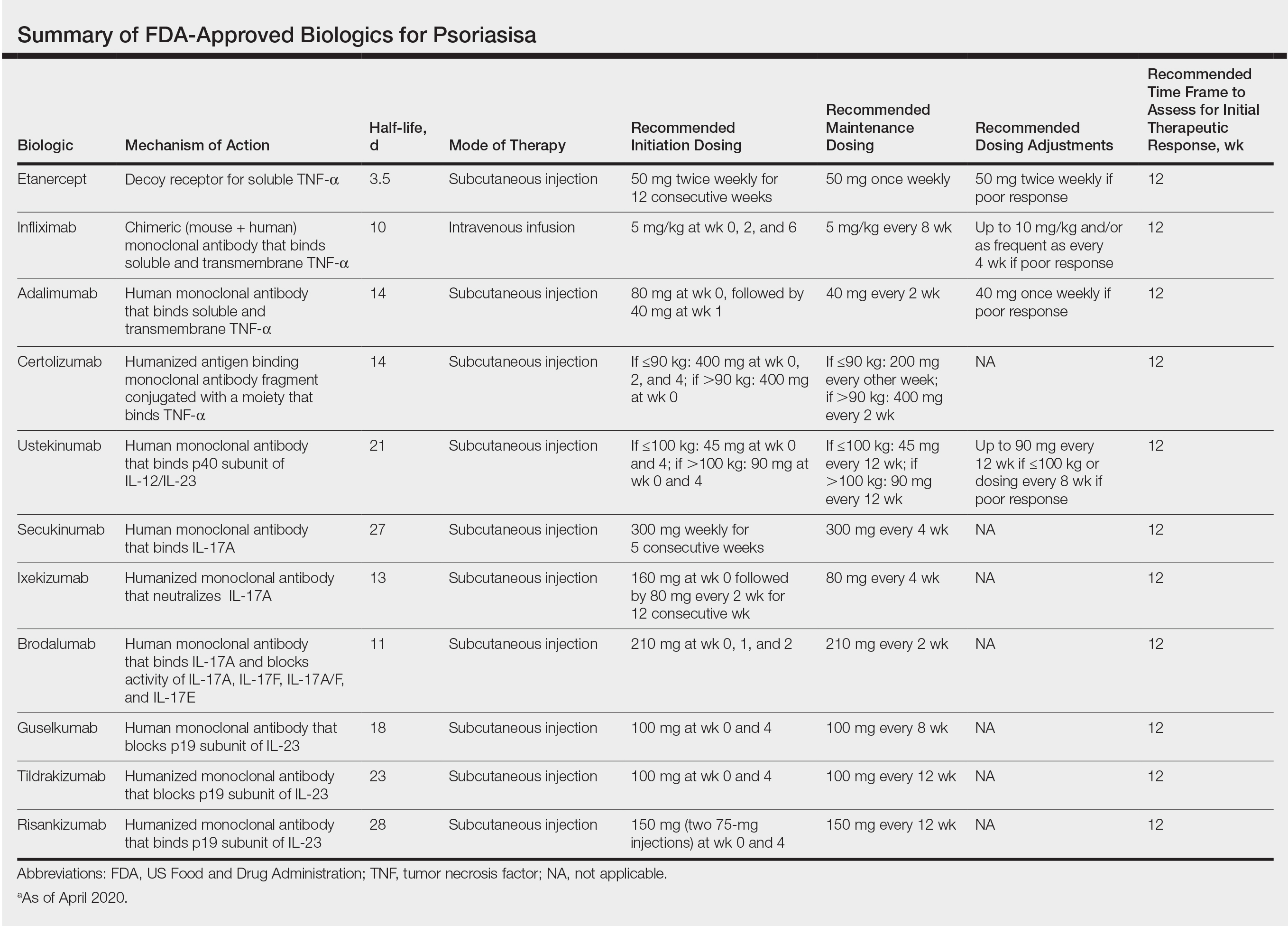 Biologics are a newer class of medications that target specific parts of the immune system to treat psoriasis. They are typically reserved for moderate to severe cases of psoriasis that have not responded well to other treatments.
How Biologics Work
Biologics work by targeting and blocking specific proteins in the immune system that play a key role in the development of psoriasis. By doing so, they help reduce inflammation and slow down the rapid growth of skin cells that leads to psoriatic plaques.Commonly Used Biologics
Some commonly used biologics for psoriasis treatment include:- Adalimumab (Humira)
- Etanercept (Enbrel)
- Ustekinumab (Stelara)
- Secukinumab (Cosentyx)
Cost and Accessibility
Biologics are generally more expensive than traditional treatments for psoriasis, such as topicals or phototherapy. They are often administered as injections or infusions, which can also add to the overall cost. In terms of accessibility, biologics may require prior authorization from insurance companies and regular monitoring for potential side effects. However, for many patients with moderate to severe psoriasis, biologics have been a game-changer in effectively managing their condition.Topicals
When it comes to managing psoriasis, topicals have been a traditional approach that many individuals rely on. These medications are applied directly to the skin and can help reduce inflammation, itching, and scaling associated with psoriasis.
Types of Topical Treatments
- Corticosteroids: These anti-inflammatory medications are commonly prescribed to reduce redness and itching. They come in various strengths and forms, such as creams, ointments, and lotions.
- Topical Retinoids: Derived from Vitamin A, these medications help to slow down the growth of skin cells and reduce inflammation.
- Coal Tar: This natural treatment has been used for centuries to help relieve itching, inflammation, and scaling. It is available in shampoos, creams, and oils.
- Calcineurin Inhibitors: These medications help to reduce inflammation and slow down the growth of skin cells. They are often used on sensitive areas like the face and genitals.
Application Methods and Frequency
It is essential to follow the instructions provided by your healthcare provider when using topicals for psoriasis. Typically, these medications are applied directly to the affected areas of the skin once or twice a day. It is crucial to gently massage the medication into the skin and avoid applying too much pressure to prevent irritation.
Tips for Optimizing Effectiveness
- Moisturize regularly: Keeping the skin hydrated can help improve the effectiveness of topicals and reduce dryness.
- Avoid triggers: Identify and avoid triggers that worsen your psoriasis symptoms, such as stress, certain foods, or environmental factors.
- Be consistent: Follow your treatment regimen consistently to see the best results. Skipping doses or not using the medication as directed can reduce its effectiveness.
- Discuss with your healthcare provider: If you experience any side effects or if the medication is not working as expected, consult your healthcare provider for guidance and potential adjustments to your treatment plan.
Combination Therapy
Psoriasis patients often find relief by combining biologic medications with topical treatments. This approach can help target different aspects of the disease and improve overall outcomes.Benefits of Combining Biologics and Topicals
- Enhanced effectiveness: Biologics work internally to reduce inflammation, while topicals can directly treat skin symptoms, leading to better control of psoriasis.
- Reduced side effects: Using lower doses of biologics in combination with topicals can help minimize potential side effects associated with higher doses of biologics alone.
- Improved quality of life: Combining treatments can result in clearer skin and reduced symptoms, leading to better mental and emotional well-being for patients.
Guidelines for Safe Use of Biologics and Topicals Together
- Consult with a dermatologist: Before starting any combination therapy, it is crucial to seek guidance from a healthcare professional to ensure the safety and efficacy of the treatment plan.
- Follow prescribed instructions: Adhere to the recommended dosage and application frequency for both biologics and topicals to maximize their benefits and minimize risks.
- Monitor for adverse reactions: Regularly communicate with your healthcare provider about any changes or reactions you experience while on combination therapy to address any issues promptly.
Success Stories of Patients Using Combination Therapy
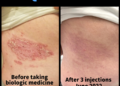
"After struggling with severe psoriasis for years, combining biologics with topical treatments has been a game-changer for me. My skin has improved significantly, and I finally feel more confident and comfortable in my own skin."
"I was hesitant to try combination therapy at first, but seeing the positive results in other patients motivated me to give it a chance. I am so glad I did because my psoriasis has never been better managed."
Last Word
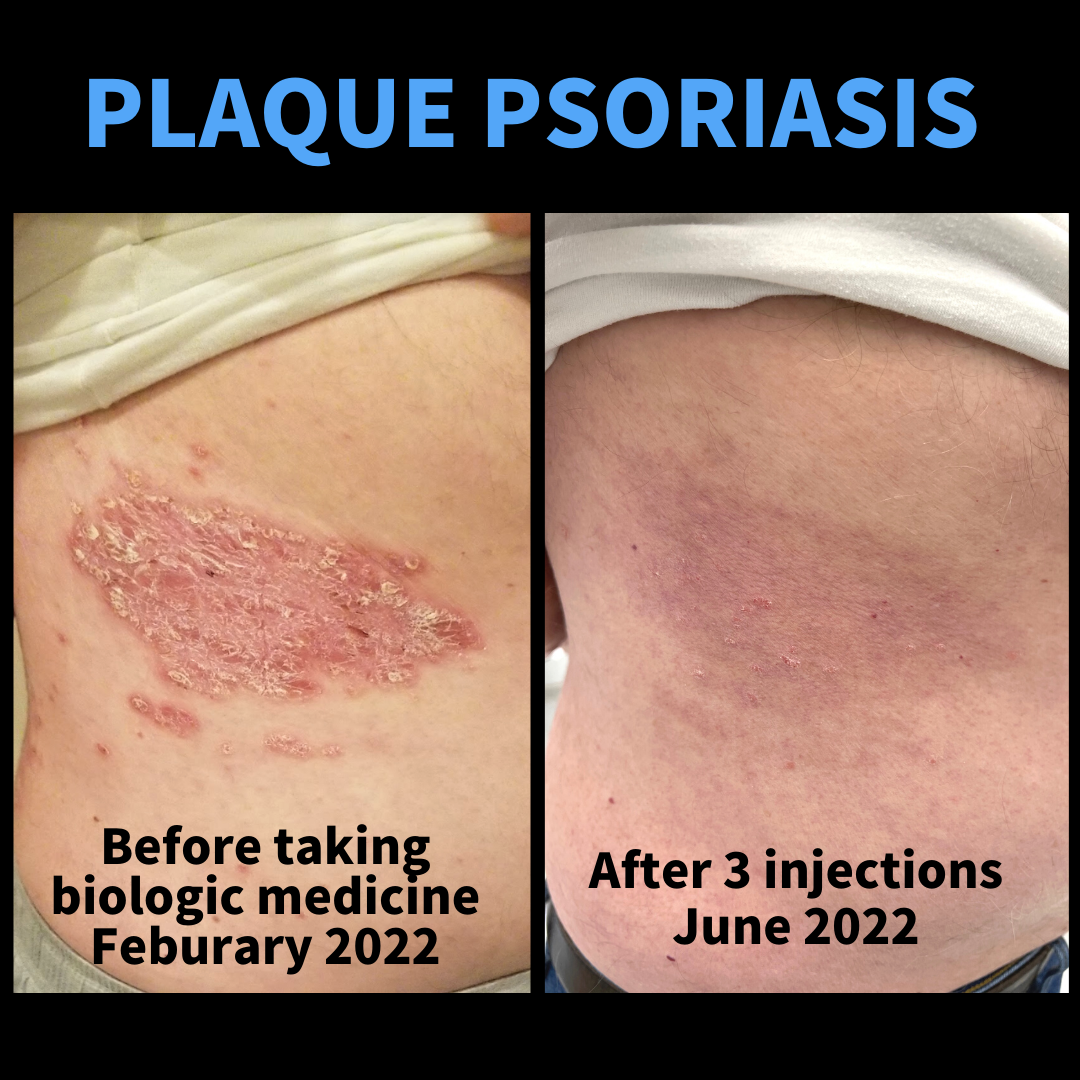
As we wrap up our exploration of The Best Psoriasis Medication of 2026: Biologics vs. Topicals, it's evident that the landscape of psoriasis treatment is evolving rapidly. By considering the various options available, individuals can make informed decisions to manage their condition effectively.
General Inquiries
What are the key differences between biologics and topicals for treating psoriasis?
Biologics are administered internally, targeting specific parts of the immune system to reduce inflammation, while topicals are applied externally to the skin to help slow down the growth of affected cells.
How do biologics work to treat psoriasis?
Biologics target specific immune responses that play a role in the development of psoriasis, helping to reduce inflammation and slow down skin cell growth.
Can biologics and topicals be used together for psoriasis treatment?
Combining biologics and topicals can sometimes be beneficial, but it's essential to follow guidelines from a healthcare provider to ensure safe and effective use.