
Delving into Rimegepant vs. Triptans: Why Doctors Are Switching Migraine Treatments, this introduction immerses readers in a unique and compelling narrative, with a casual formal language style that is both engaging and thought-provoking from the very first sentence.
As we explore the comparison between Rimegepant and Triptans, we uncover the reasons behind the shift in migraine treatment preferences among medical professionals.
Overview of Rimegepant and Triptans
Rimegepant and Triptans are both classes of medications used to treat migraines, but they work in different ways and have distinct pharmacological profiles.Mechanisms of Action
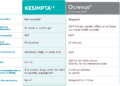
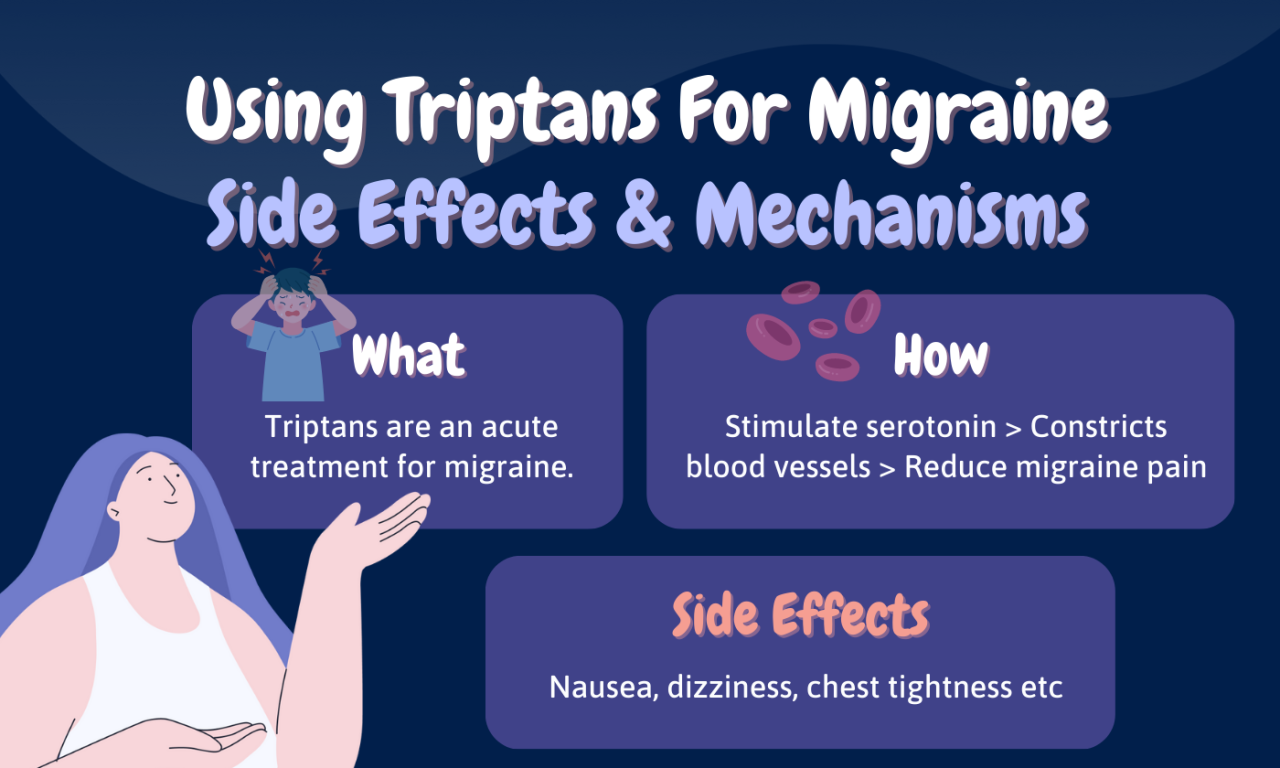
Rimegepant is a calcitonin gene-related peptide (CGRP) receptor antagonist. It works by blocking the action of CGRP, a neuropeptide implicated in the pathophysiology of migraines. On the other hand, Triptans are serotonin receptor agonists that work by constricting blood vessels and inhibiting the release of inflammatory neuropeptides.Brief History
Triptans have been the mainstay of migraine treatment for several decades, with the first Triptan, sumatriptan, being approved in the early 1990s. Rimegepant, a newer class of medication, was approved by the FDA in 2019 as an oral CGRP receptor antagonist.Pharmacokinetics and Pharmacodynamics
Rimegepant is well-absorbed after oral administration, with a bioavailability of approximately 64%. It has a half-life of about 11 hours, allowing for less frequent dosing compared to some Triptans. Triptans, on the other hand, have varying half-lives depending on the specific medication, ranging from 2 to 5 hours. Additionally, Triptans are known to cause vasoconstriction, which can be problematic in patients with cardiovascular risk factors.Efficacy and Side Effects
 When it comes to treating migraines, understanding the efficacy and potential side effects of different medications is crucial for both patients and healthcare providers.
Efficacy Rates of Rimegepant and Triptans
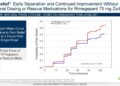
- Rimegepant: Clinical trials have shown that rimegepant is effective in providing relief from migraine symptoms, with a significant percentage of patients experiencing pain relief within a few hours of taking the medication.
- Triptans: Triptans have been a standard treatment for migraines for many years and are also known for their efficacy in relieving migraine symptoms. However, some patients may not respond well to triptans or may experience recurrence of symptoms after initial relief.
Common Side Effects
- Rimegepant: Common side effects associated with rimegepant include nausea, fatigue, and dry mouth. These side effects are usually mild and temporary.
- Triptans: Common side effects of triptans may include dizziness, drowsiness, and muscle weakness. Some patients may also experience chest tightness or a tingling sensation. It is essential to monitor these side effects and consult a healthcare provider if they persist or worsen.
Tolerability Profiles
- Rimegepant: Rimegepant is generally well-tolerated by most patients, with minimal side effects. Its tolerability profile makes it a suitable option for individuals who may not respond well to or tolerate triptans.
- Triptans: While triptans are effective in treating migraines, some patients may experience more significant side effects or contraindications, limiting their use. It is essential for healthcare providers to consider individual patient factors when choosing between rimegepant and triptans.
Safety Profiles
In terms of safety profiles, both Rimegepant and Triptans have been studied extensively to evaluate their potential risks and side effects when used for migraine treatment.Rimegepant, a newer class of medication, has shown a generally favorable safety profile in clinical trials. Common side effects include nausea, fatigue, and urinary tract infectionsPotential Drug Interactions and Contraindications
When considering drug interactions, Rimegepant has a lower risk compared to Triptans. Rimegepant is metabolized through the liver, so caution should be taken when combining it with other medications that may affect liver enzymes.Triptans, on the other hand, have a higher potential for drug interactions, especially with other medications that also affect serotonin levels. This can increase the risk of serotonin syndrome, a potentially life-threatening condition.Cardiovascular Risks
The cardiovascular risks associated with Rimegepant are generally lower compared to Triptans. Triptans have been known to cause vasoconstriction, which can lead to an increased risk of cardiovascular events in susceptible individuals.Patients with a history of heart disease, hypertension, or other cardiovascular risk factors may be advised to avoid Triptans and opt for Rimegepant instead to minimize the risk of adverse events.Clinical Guidelines and Recommendations
 In the realm of migraine management, clinical guidelines play a crucial role in guiding healthcare professionals toward the most effective treatment options. The current recommendations regarding the use of Rimegepant and Triptans reflect the evolving landscape of migraine therapy.
Switching Trends: Rimegepant vs. Triptans
- Doctors are increasingly opting to switch from Triptans to Rimegepant due to the differences in efficacy and side effect profiles between the two drug classes.
- Rimegepant has shown promising results in clinical trials, demonstrating comparable efficacy to Triptans with potentially fewer side effects, leading to a shift in treatment preferences.
- The ease of use and tolerability of Rimegepant make it an attractive option for patients who may not respond well to Triptans or experience intolerable side effects.
Emerging Research Supporting Rimegepant
- Recent studies have highlighted the efficacy and safety of Rimegepant, showcasing its potential as a first-line treatment for acute migraines.
- Research indicates that Rimegepant may offer a favorable safety profile compared to Triptans, particularly in terms of cardiovascular risks and tolerability.
- The growing body of evidence supporting the use of Rimegepant over Triptans is influencing clinical practice and shaping treatment algorithms for migraine management.
Closing Notes
In conclusion, the discussion on Rimegepant vs. Triptans sheds light on the evolving landscape of migraine treatments and the factors influencing doctors' decisions.
Commonly Asked Questions
What are the common side effects of Rimegepant and Triptans?
Rimegepant side effects may include nausea and fatigue, while Triptans can cause chest tightness and dizziness.
Are there any significant drug interactions with Rimegepant and Triptans?
Rimegepant may interact with certain antibiotics and antifungal medications, while Triptans can interact with antidepressants and ergotamine.
Why are doctors increasingly switching from Triptans to Rimegepant?
Doctors are moving towards Rimegepant due to its better tolerability profile and potentially lower cardiovascular risks compared to Triptans.