
Embark on a journey of understanding with What to Expect from Your First Kesimpta Dose: A Patient's Guide, delving into the intricacies of this important topic.
Provide a detailed and informative overview of Kesimpta dosing, preparation, side effects, and monitoring to guide patients through their treatment journey.
Overview of Kesimpta Dosing
When it comes to Kesimpta dosing, it's important to understand the typical schedule, administration method, and the significance of sticking to your prescribed regimen.
Typical Dosing Schedule
- Patients usually start with an initial dose of Kesimpta, followed by maintenance doses.
- The initial dose may be given in a healthcare setting to monitor for any immediate reactions.
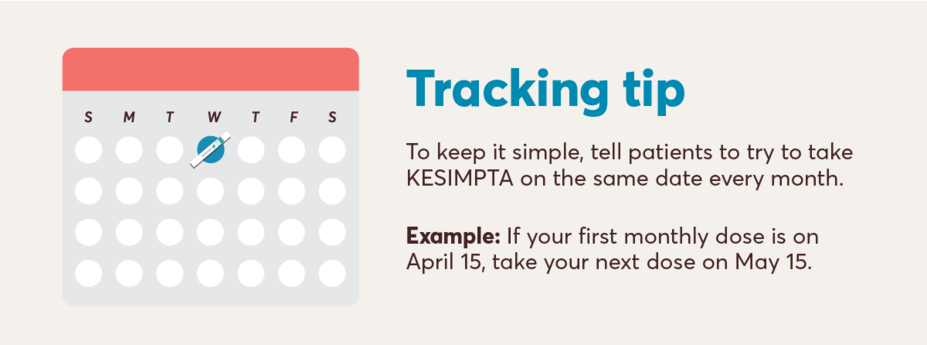
- After the initial dose, maintenance doses are typically administered once a month.
Administration of Kesimpta
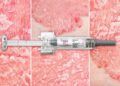
Kesimpta is administered through subcutaneous injections, which means injecting the medication under the skin.
It is important to follow the specific instructions provided by your healthcare provider for the proper administration technique.
Importance of Following Prescribed Dosing Regimen
- Consistent dosing helps maintain the effectiveness of Kesimpta in managing your condition.
- Skipping doses or altering the schedule without consulting your healthcare provider can impact the treatment outcomes.
- If you have any concerns or difficulties with your dosing regimen, it's crucial to communicate with your healthcare team for guidance.
Preparing for Your First Dose
Before starting your first Kesimpta dose, it's essential to be prepared both physically and mentally. Here's a checklist to ensure you are ready for this new treatment:Checklist for Preparing for Your First Dose
- Consult with your healthcare provider to review your medical history, current medications, and any potential side effects of Kesimpta.
- Ensure you have all the necessary supplies for administering the medication, including syringes or autoinjectors.
- Follow any fasting instructions provided by your healthcare provider before taking the first dose.
- Arrange for transportation to and from your healthcare provider's office or clinic for the initial dose.
Special Storage and Handling Instructions for Kesimpta
It is important to store Kesimpta in the refrigerator between 36°F to 46°F (2°C to 8°C) and protect it from light.
- Keep Kesimpta in its original packaging until ready to use to prevent exposure to light.
- Do not freeze Kesimpta or use it if it has been frozen.
- If traveling with Kesimpta, use a cooler with ice packs to maintain the recommended temperature range.
Mental Preparation for Starting a New Medication
- Research and educate yourself about Kesimpta to understand how it works and what to expect.
- Reach out to others who have experience with Kesimpta for support and guidance.
- Practice relaxation techniques or mindfulness exercises to help manage any anxiety or stress about starting a new medication.
- Keep a positive mindset and remind yourself of the potential benefits of the treatment.
Understanding Potential Side Effects

When taking your first dose of Kesimpta, it's important to be aware of the potential side effects that may occur. While not everyone will experience these side effects, it's essential to know what to look out for and when to seek medical help.
Common Side Effects
- Headache
- Fatigue
- Injection site reactions
- Upper respiratory tract infection
- Increased liver enzymes
When to Seek Medical Help
If you experience severe side effects such as difficulty breathing, chest pain, severe allergic reactions, or any other concerning symptoms, seek medical help immediately. It's crucial not to ignore or delay treatment for severe side effects.
Managing Common Side Effects at Home
- Stay hydrated and get plenty of rest if you're experiencing fatigue.
- Over-the-counter pain relievers can help with headaches.
- For injection site reactions, apply a cold compress and avoid tight clothing around the area.
- Follow any specific instructions given by your healthcare provider for managing other common side effects.
Monitoring Your Response to Kesimpta
Upon starting Kesimpta, your healthcare provider will closely monitor your response to the medication. This is essential to ensure that the treatment is effective and well-tolerated by your body. By keeping track of your response, your healthcare team can make any necessary adjustments to optimize your treatment plan.Importance of Keeping Track of Changes
- It is crucial to monitor any changes or improvements in your condition while on Kesimpta.
- Keep a journal or log of any symptoms, side effects, or changes you experience.
- Share this information with your healthcare provider during follow-up appointments.
Effective Communication with Your Healthcare Team
- Be open and honest about your experience with Kesimpta.
- Report any side effects or concerns promptly to your healthcare provider.
- Ask questions and seek clarification on any aspect of your treatment if needed.
Ending Remarks
In conclusion, What to Expect from Your First Kesimpta Dose: A Patient's Guide equips patients with the necessary knowledge and tools to navigate their treatment confidently and effectively.
Question Bank
What are the common side effects of the first Kesimpta dose?
Common side effects include headache, fatigue, and injection site reactions.
When should I seek medical help for severe side effects?
Seek medical help immediately if you experience severe allergic reactions or difficulty breathing.
How should I communicate with my healthcare team about my experience with Kesimpta?
Keep a symptom journal and report any changes or concerns to your healthcare provider during follow-up appointments.